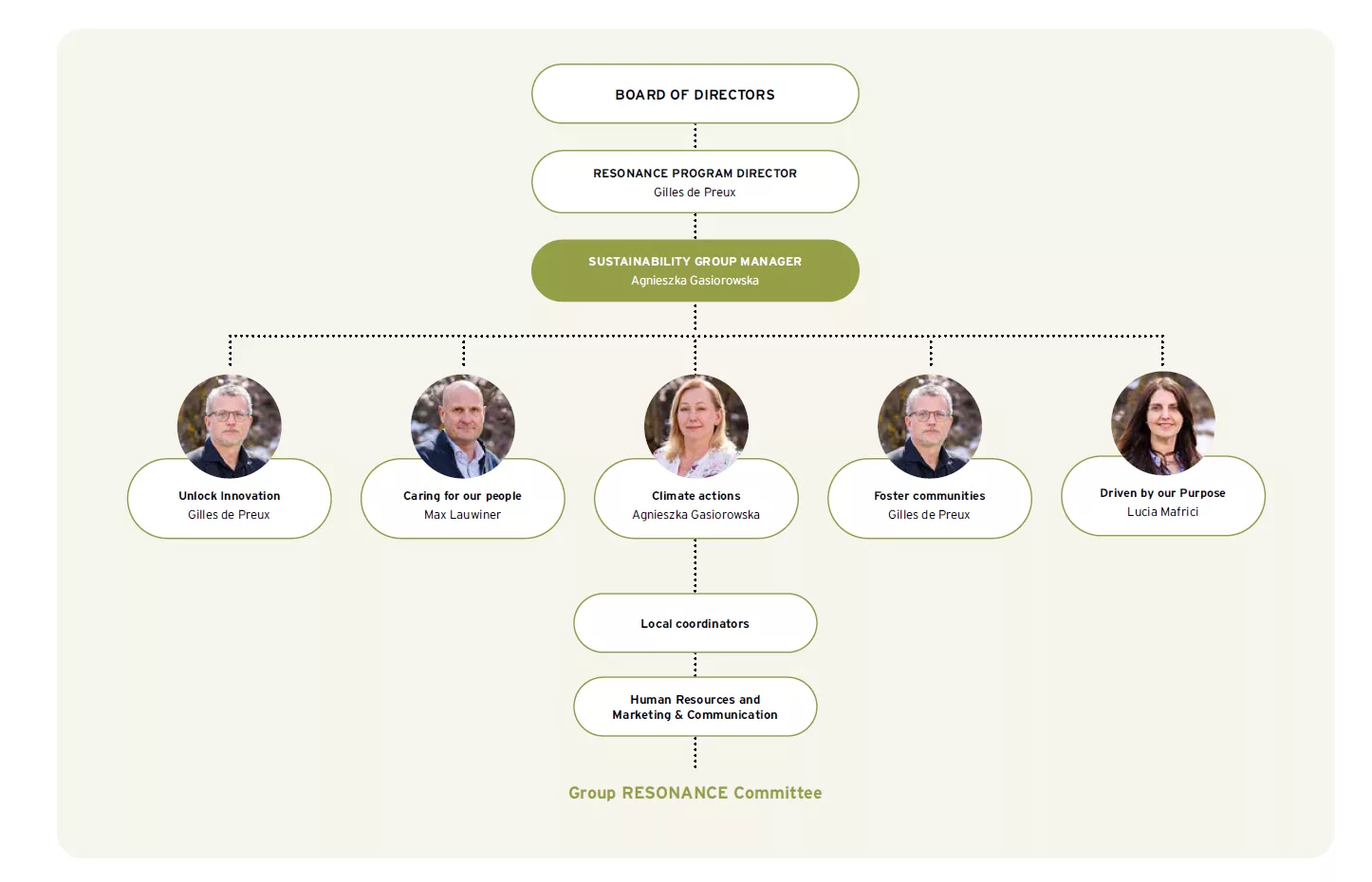
In 2025, ESG oversight was further consolidated at Senior Management level, with structured review of material sustainability topics and climate transition scenarios. Sustainability is now an integral component of strategic dialogue, aligning long-term ambition with disciplined capital allocation and risk management.
The RESONANCE Committee continues to coordinate cross-functional implementation across Business Units, ensuring measurable progress and reinforcing collective accountability.
ESG priorities are embedded within the Group’s enterprise risk management framework, strengthening visibility across environmental, operational and financial exposures. Sustainability considerations are increasingly integrated into investment planning and capital allocation discussions, linking strategic intent with financial decision-making.
In parallel, SSE has strengthened its digital carbon reporting framework, enhancing data reliability, traceability and comparability for emissions monitoring and decarbonisation planning. Governance at SSE is not a control mechanism alone, it is the framework through which responsibility is exercised and long-term resilience is actively shaped.
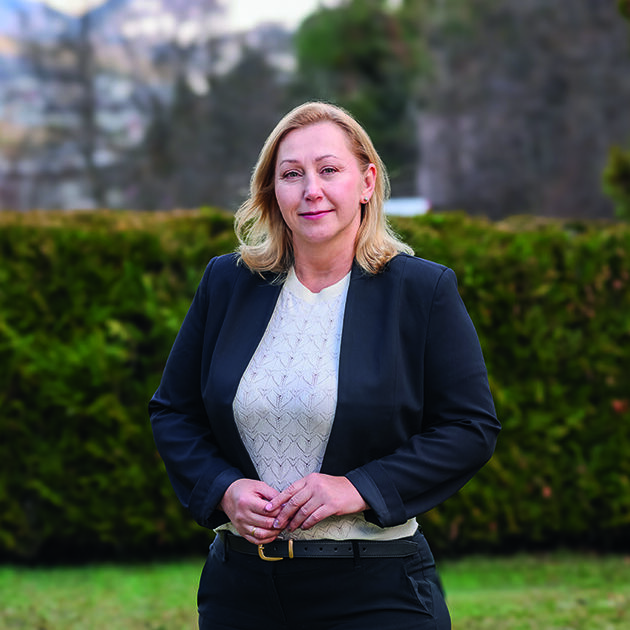
“Leading RESONANCE at Group level means creating alignment, bringing our teams together across functions and countries around a shared purpose.The strength of RESONANCE lies in its ability to connect strategic ambition with everyday collaboration, accelerating progress through coordination and synergies between departments. What began as a program is becoming a mindset, a common direction that helps us prioritise, act and move forward together.Through this collective momentum, we are strengthening the way SSE works and building longterm resilience across our Group.“
Agnieszka Gasiorowska,
Head of Sustainability, SSE Group
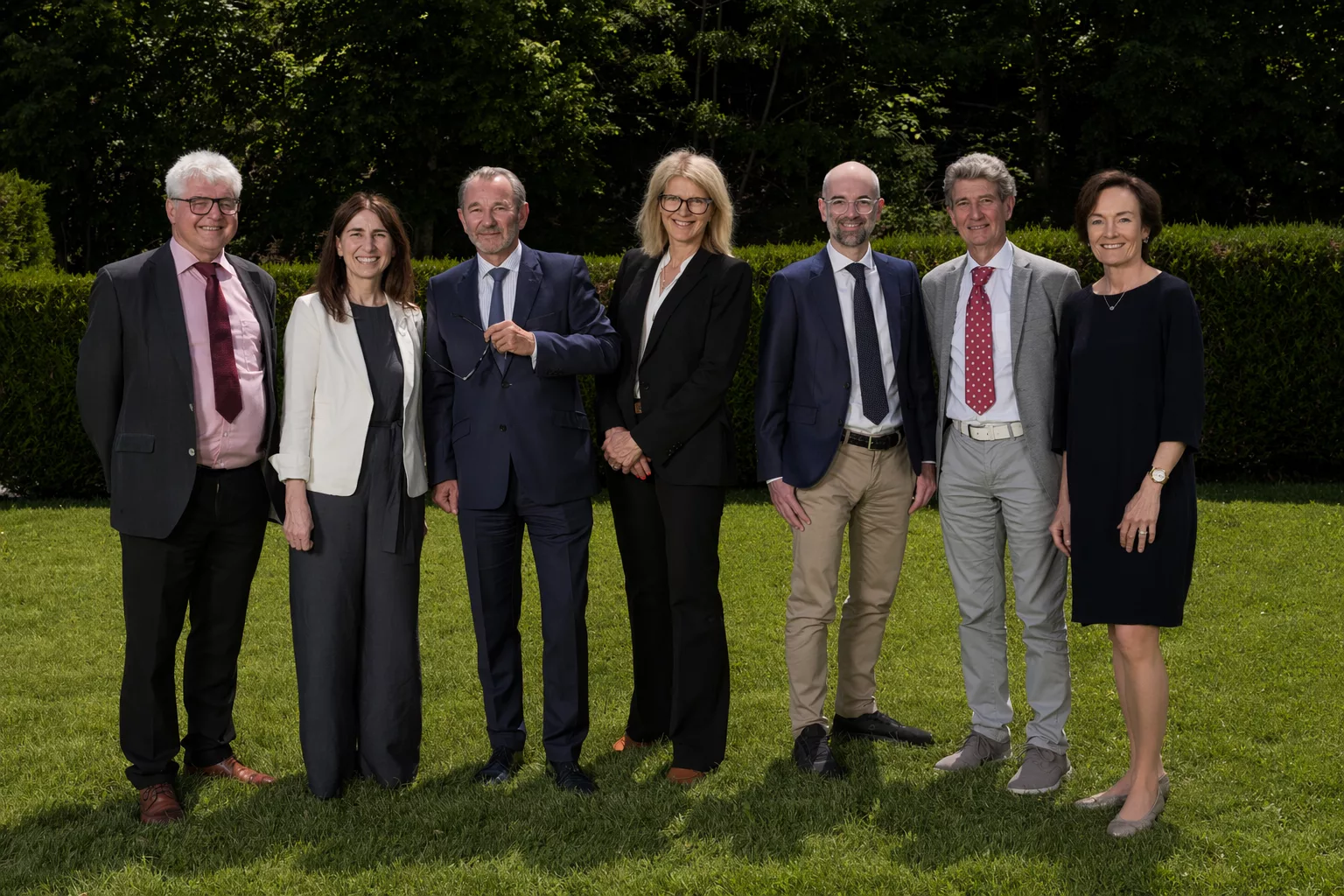
“Over the past year, RESONANCE has gained momentum across SSE Group. We are proud of the progress achieved, from strengthened governance and climate analysis to the growing engagement across our Business Units. These milestones reflect the dedication of our teams and the collective energy driving our transformation. This momentum directly supports our Vision to be the pioneer in innovative and sustainable solutions, building long-term profitable businesses for the Civil Explosives and Fine Chemicals sectors. As Board members, we fully endorse this trajectory and remain committed to guiding SSE with long-term perspective and responsibility for the decades ahead.”
SSE Group Board Members
From left to right: Daniel Antille, Lucrèce Foufopoulos, Raymond Loretan, Caroline Kuyper, Adrien Ramelet, Markus Scheller, Franziska Tschudi Sauber
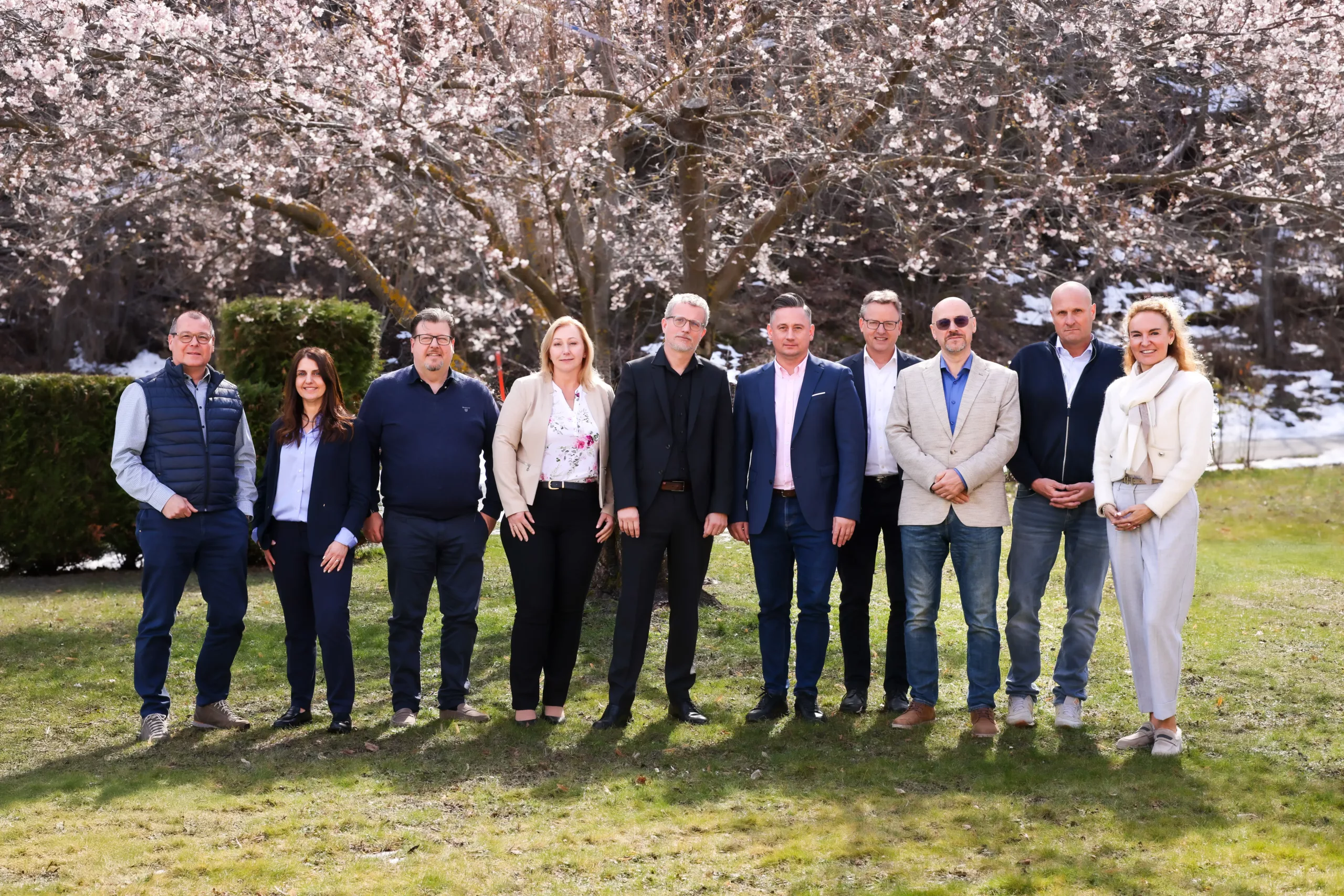
“As members of the RESONANCE Committee, we are fully engaged in executing this strategic corporate initiative’s roadmap across our functions and geographies. What began as coordination has evolved into active implementation, turning strategic priorities into operational reality. This journey is demanding, but it is also energising. We are learning together, sharing expertise across subsidiaries and building
stronger synergies between teams. Thus RESONANCE, which started as a simple framework, is now shaping how we work, how we support one another and how we create measurable impact for the good of the whole company as well as its key stakeholders and the wider community.”
RESONANCE Committee Members
Markus Troger, Lucia Mafrici, Thomas Bornheim, Agnieszka Gasiorowska, Gilles de Preux, Marcin Rzeminski, Neil Kirby, Jacek Balon, Max Lauwiner, Isabelle Gayral Boschung
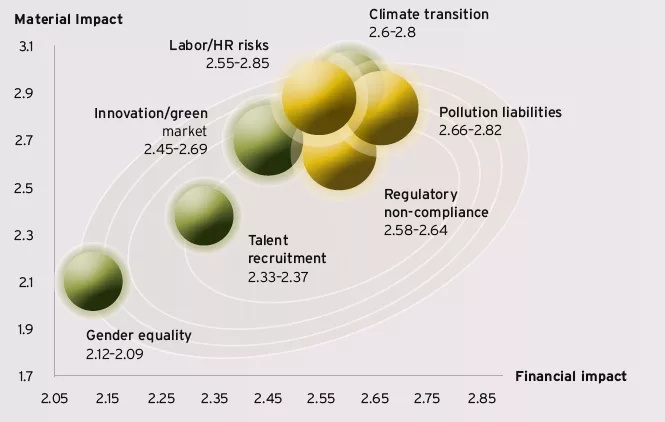
 Opportunity-driven topics
 Risk-driven topics