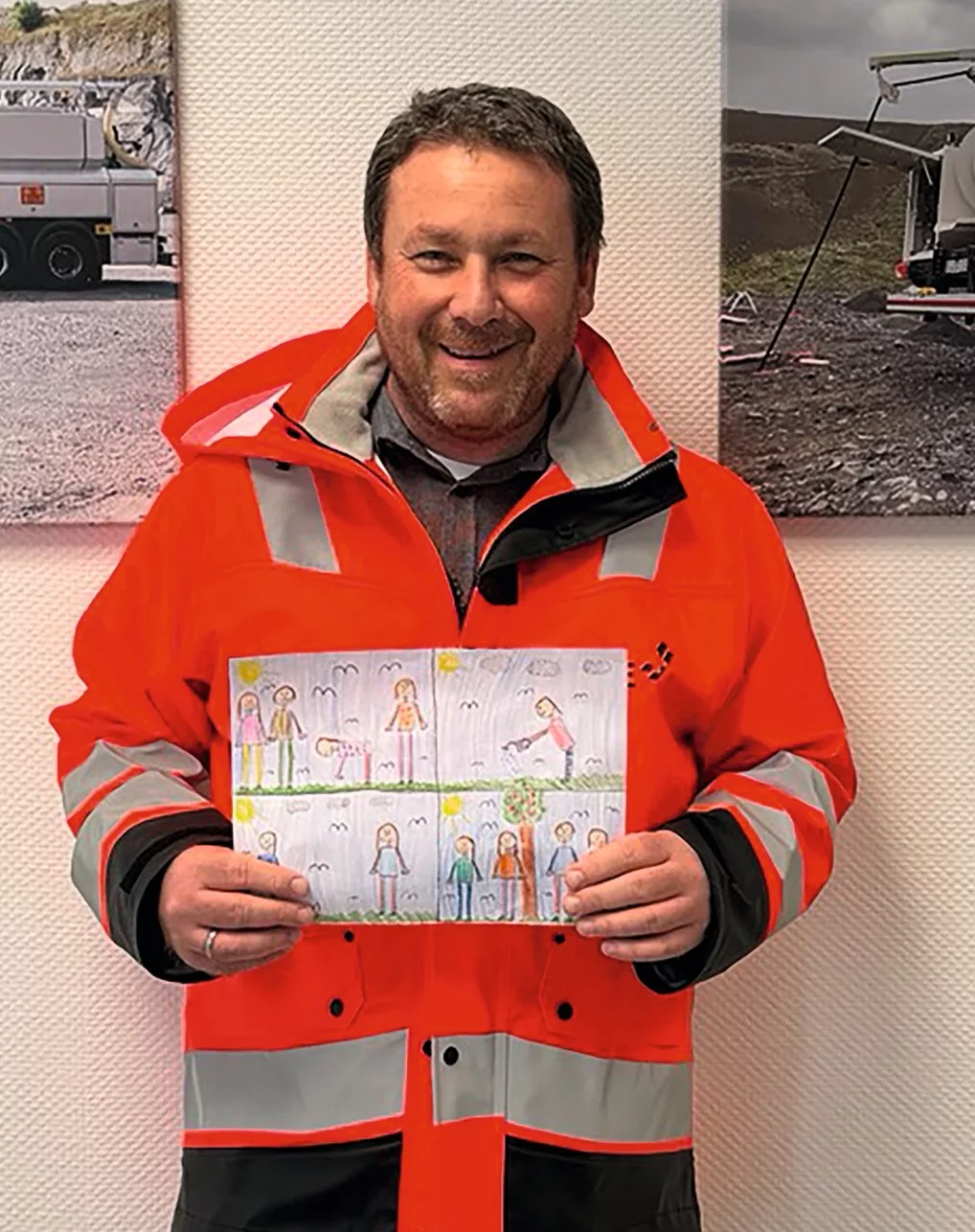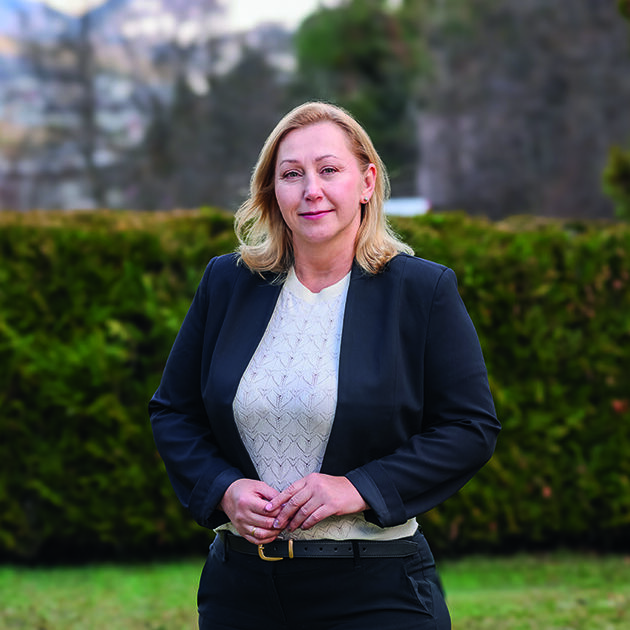
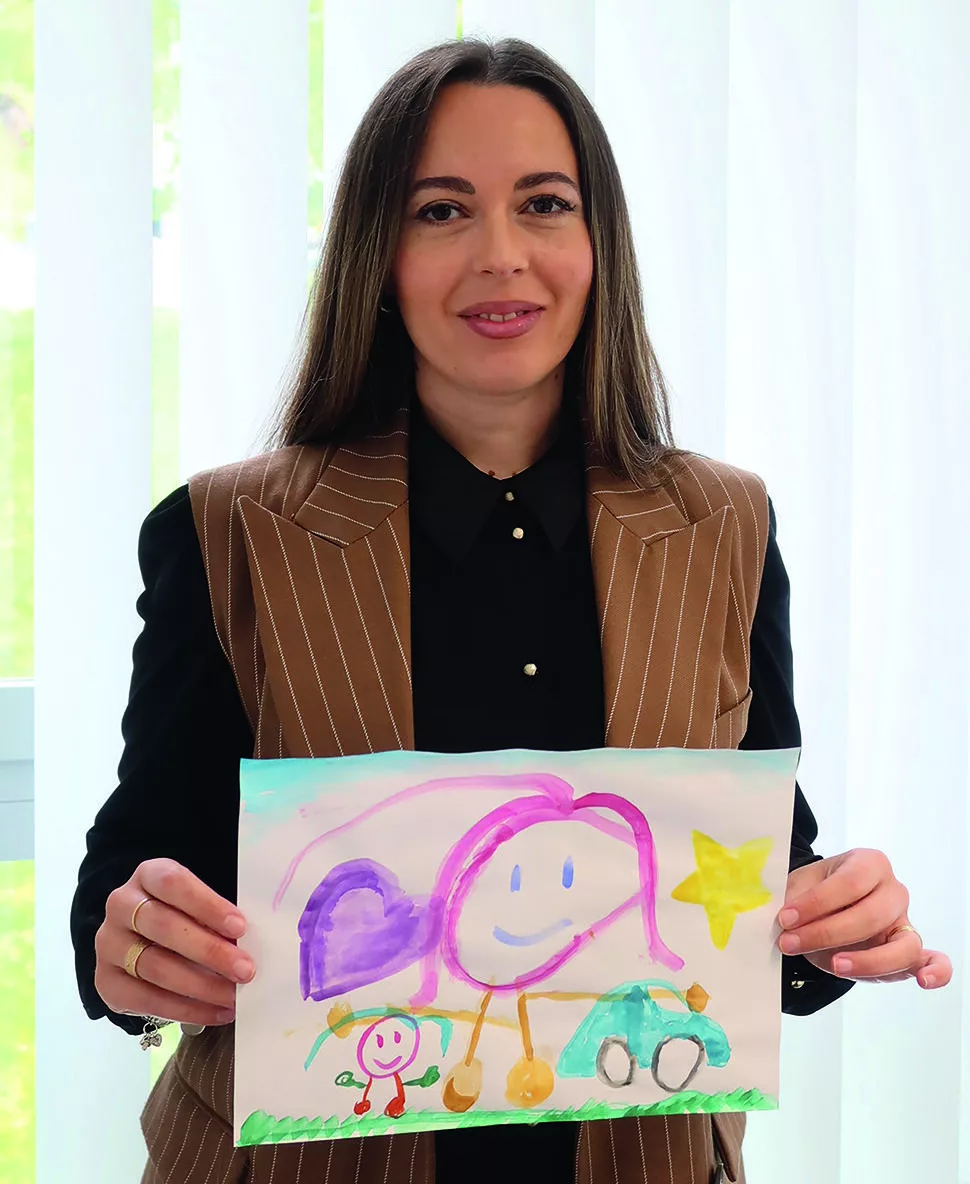
“I work every day to create impact both at work and at home, growing professionally while staying committed to my family. When I look at my daughter’s drawing, it shows what is closest to my heart and proves that growing at work is possible when a workplace supports mothers in pursuing their ambitions without limits.”
Marta Falcone
Business Development Executive
Specialty Chemicals
Valsynthese
CARING FOR OUR PEOPLE IS CENTRAL TO SSE’S LONG-TERM PERFORMANCE AND ATTRACTIVENESS.
The Double Materiality Assessment confirmed that people, skills and working conditions are among the most material topics for SSE. In industries such as civil explosives and fine chemicals, success relies on specialised expertise, operational discipline and a strong safety culture. Maintaining technical excellence depends on the continuous development of skilled professionals across the organisation.
For SSE, attracting, developing and retaining talent is therefore a key factor in sustaining operational excellence and supporting the long-term development of the Group.
Through the Care for Our People pillar, SSE focuses on strengthening the conditions that enable employees to perform, learn and grow across the organisation.
This approach is structured around three key drivers: improving working conditions, advancing gender equality and empowering talent across SSE.
Three drivers for caring for our people at SSE
- Working Conditions & Well-being
- Gender Equality
- Talent Development
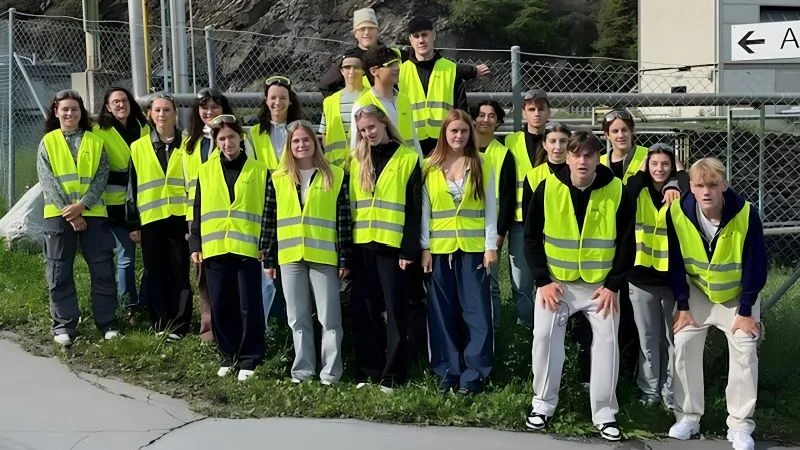
Students from Kollegium Spiritus Sanctus Brig visiting SSE’s Gamsen site to discover our industrial operations and the RESONANCE initiative. Engaging with students and future professionals reflects SSE’s commitment to developing talent and creating opportunities for the next generation of specialists in our industry.
FROM INITIATIVES TO A STRONGER PEOPLE DEVELOPMENT FRAMEWORK
In 2025, SSE continued to strengthen and structure initiatives supporting employee development, well-being and organisational capabilities across the Group. During the year, particular attention was given to advancing the Gender Equality Program and building the foundations for its progressive development across SSE.
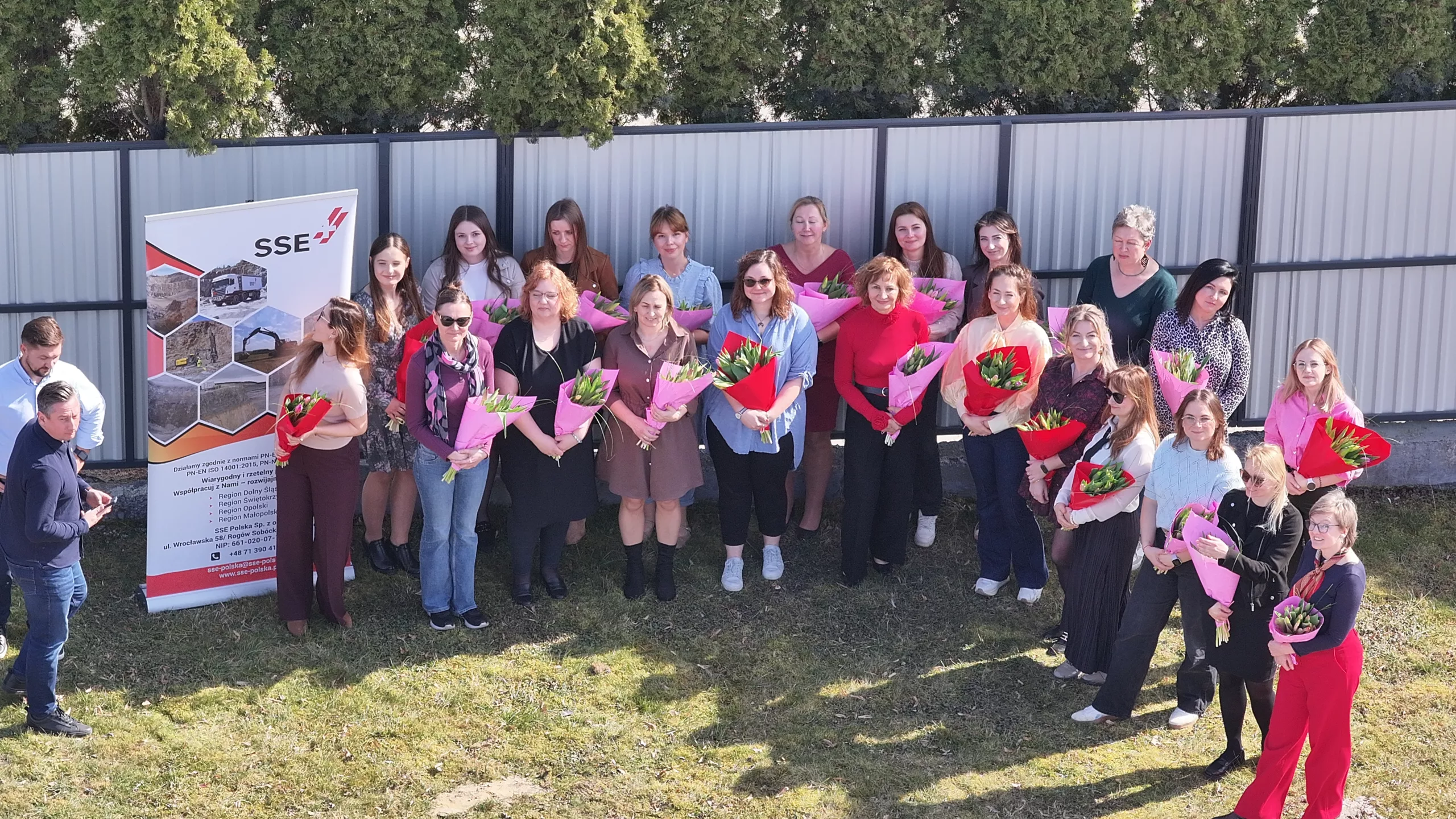
eyond the Swiss pilot, International Women’s Day initiatives were organised across multiple entities, including a major event in Poland highlighting the growing contribution of women engineers and operational professionals in the industry.
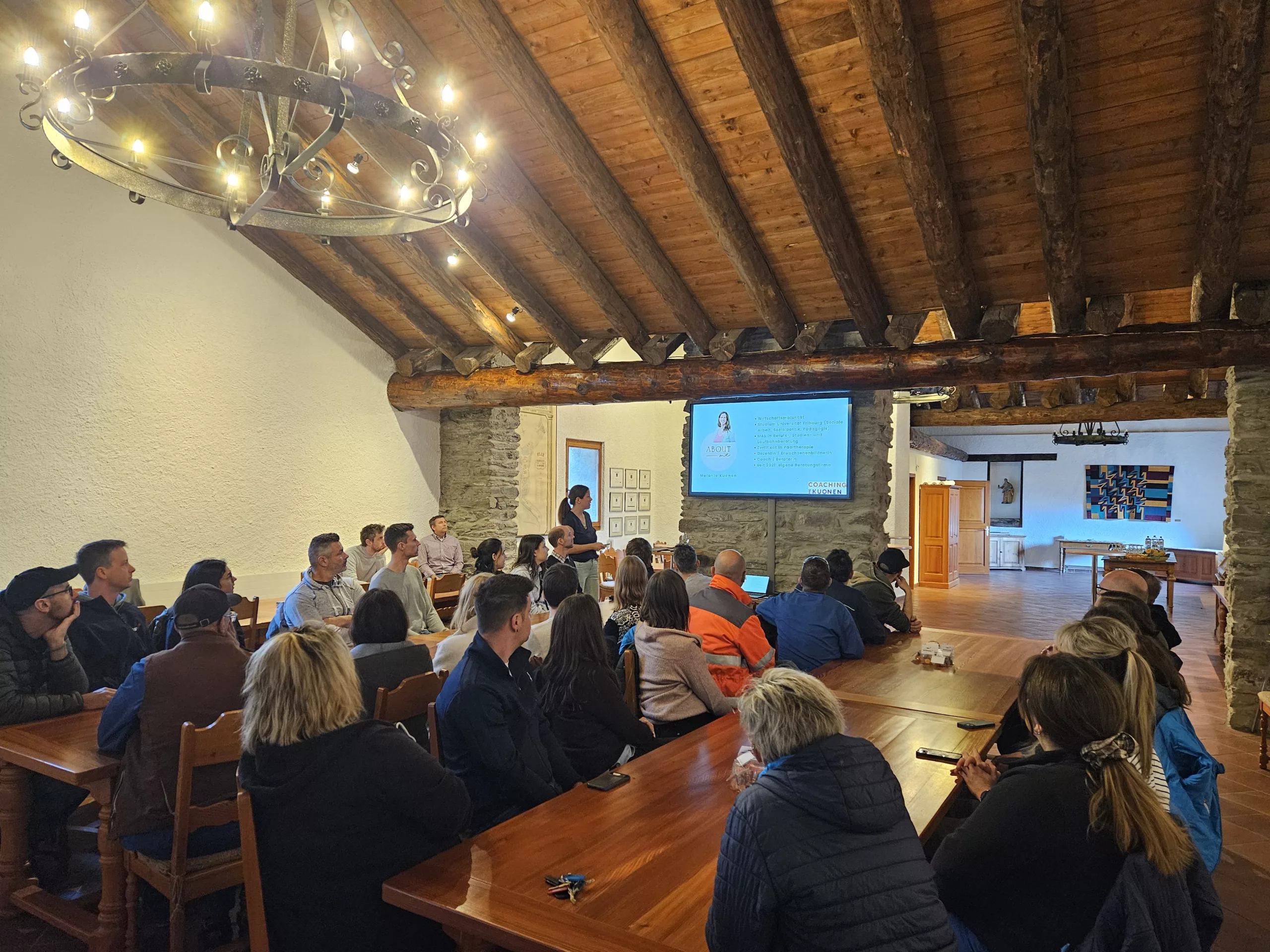
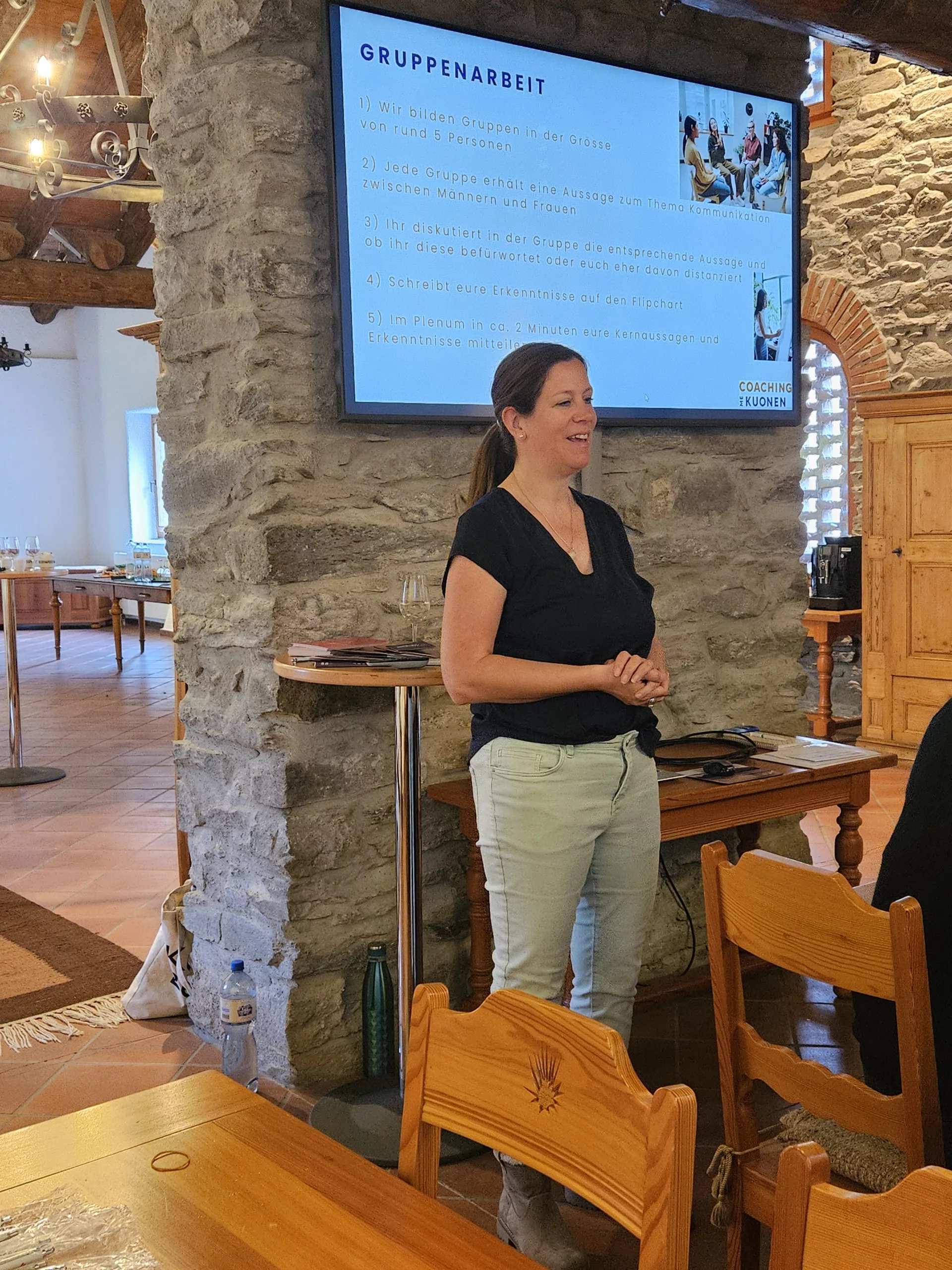
The Group also advanced its work on equal pay analysis, preparing the next salary assessment cycle in Switzerland while progressively extending the approach to additional entities. At the same time, employee support mechanisms were reinforced. Internal trust persons continued to provide confidential support to employees, complemented by the introduction of external counselling services in Switzerland.
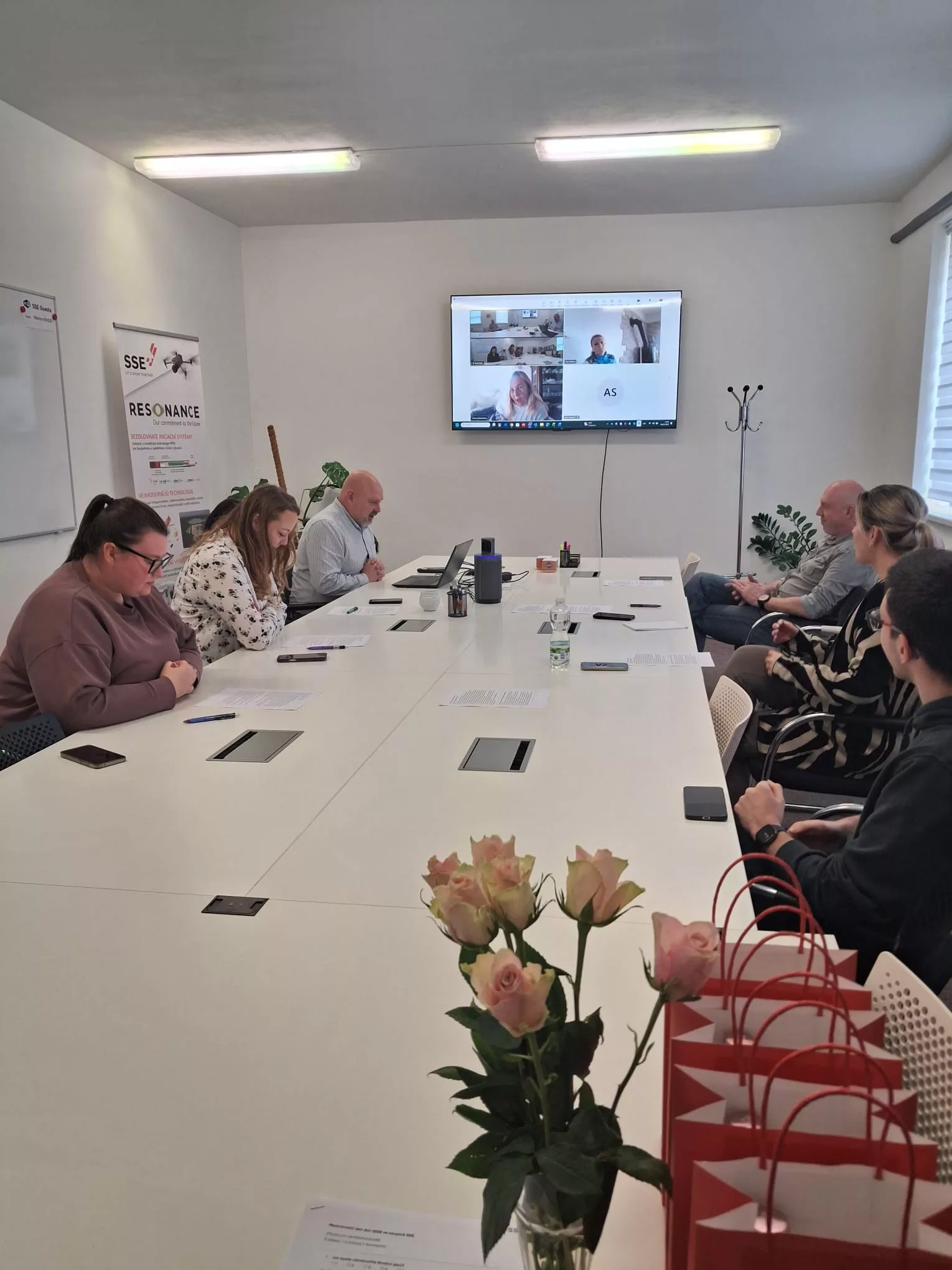
To better understand employee expectations, SSE also integrated gender equality perspectives into employee satisfaction surveys, helping identify priorities for future improvements.
Together, these actions contribute to strengthening working conditions, supporting professional development and reinforcing SSE’s ambition to be a preferred employer in the civil explosives and fine chemicals sectors.
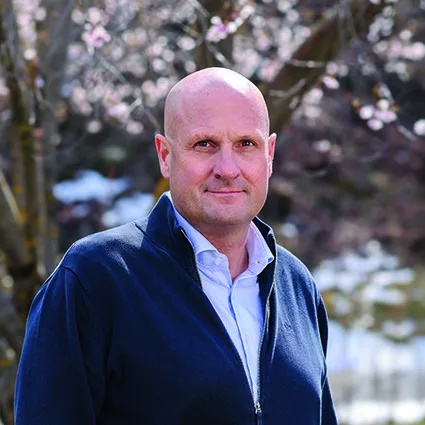
“Civil Explosives and Fine Chemicals are highly specialised industries where expertise, responsibility and trust between teams are essential. Behind every operation, every innovation and every customer solution, there are skilled people whose knowledge and commitment make the difference.
In 2025, we continued to strengthen the foundations of our Care for Our People pillar, learning from our initiatives and structuring them into a more coherent framework across the Group. By improving working conditions, advancing gender equality and empowering talent, we are building an environment where our people can grow their capabilities, share knowledge and contribute to the long-term performance of SSE. Our ambition is clear: to make SSE a place where expertise thrives, where people are proud to work, and where the next generation of engineers and specialists can shape the future of our industry.”
Dr. Max Lauwiner
CEO Valsynthese
Caring for Our People Pillar Leader
EMPOWERING TALENT THROUGH GENDER EQUALITY
At SSE, we are committed to creating a workplace where employees feel valued, supported and able to develop their skills over the long term. Strengthening gender equality is one of the key levers supporting this ambition.
As part of our Care for Our People strategy, SSE is progressively developing a Group-wide Gender Equality Program, starting with a pilot in Switzerland and gradually extending the approach across our markets.
VOICES FROM WOMEN IN THE FIELD
Across SSE, women contribute to engineering, operational and leadership roles in our industry.
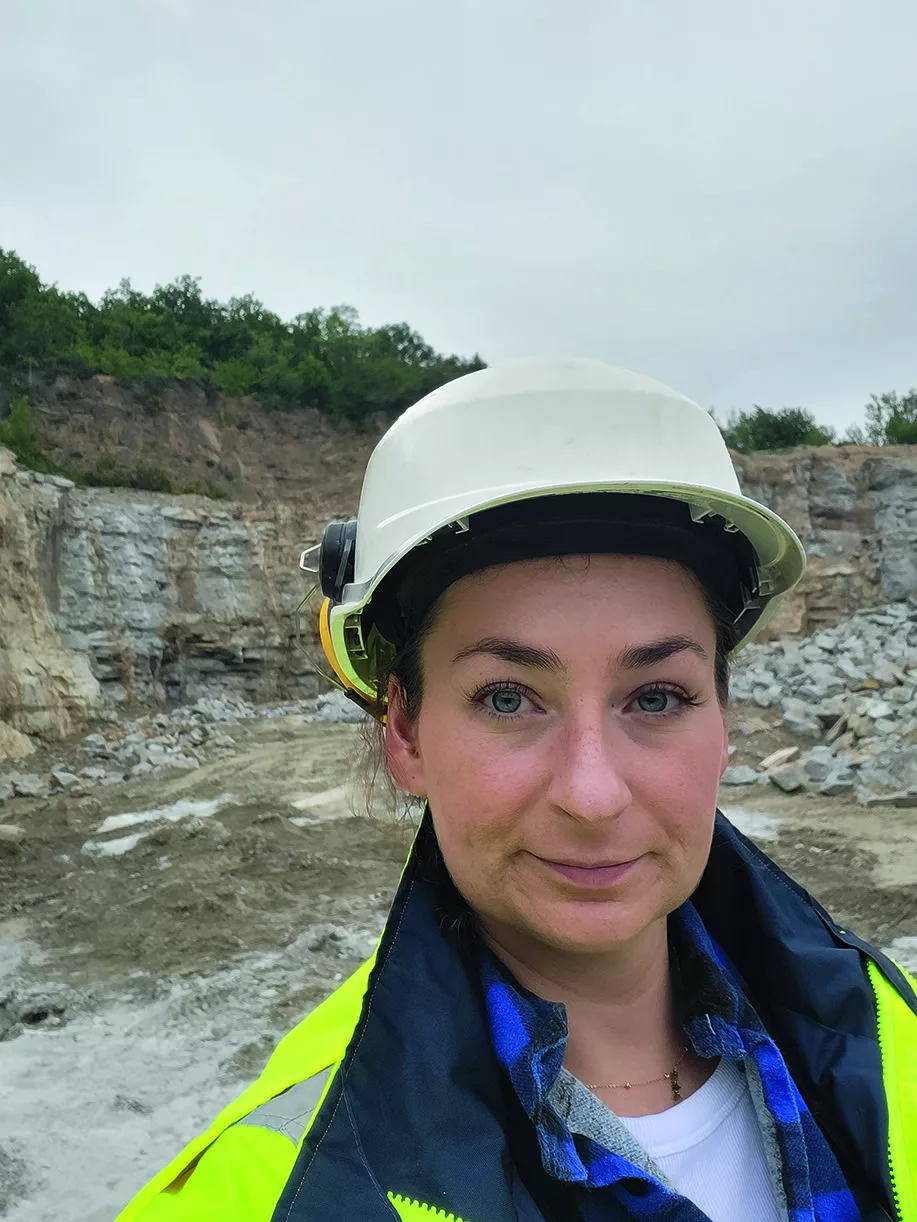
“When I started working in quarries twelve years ago, women in technical roles were still rare. Today the industry is evolving and becoming more technology-driven, opening the door to more diverse talent. At SSE, the support of colleagues and the opportunity to combine my role as an engineer and a mother have made a real difference. I believe more women will join our profession as the sector continues to transform.”
Katarzyna Kulik,
Deputy Director West Region
& Blasting Engineer, SSE Polska
KEY PROGRESS IN 2025
In 2025, SSE continued to develop its Gender Equality Program through the Swiss pilot while encouraging dialogue and engagement across several markets.
Key developments during the year include:
- Preparation of a renewed equal pay analysis in Switzerland
The Swiss pilot was revisited to prepare a new salary analysis cycle and explore future assessments in additional European entities. - International Women’s Day initiatives across SSE markets
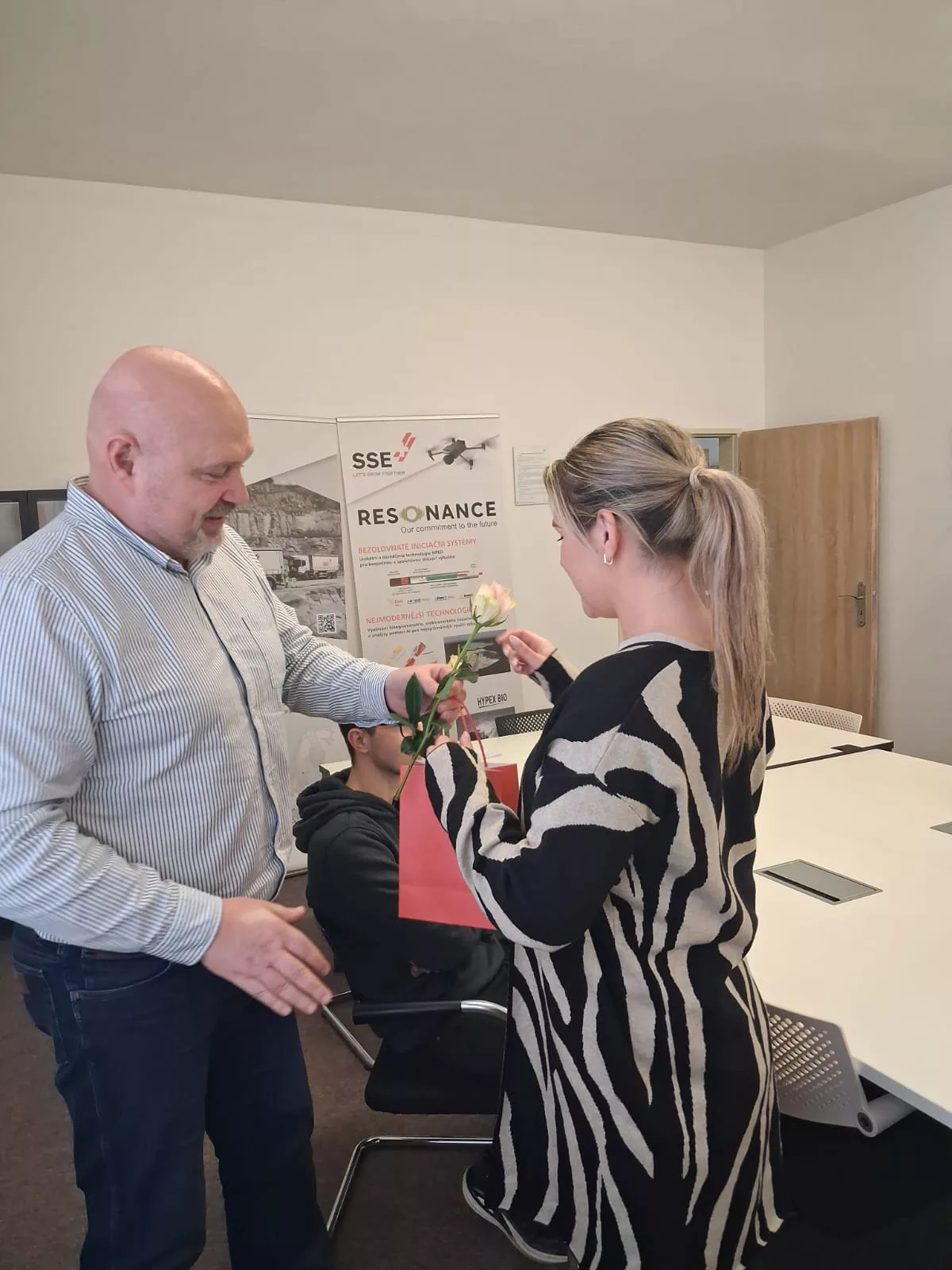
Several entities organised Women’s Day events to recognise the contributions of women across the organisation. In Poland, a dedicated event highlighted the role of women engineers and operational staff in the industry. - Strengthening employee support systems
Internal trust persons continued to provide confidential support to employees, complemented by the introduction of external counselling
services in Switzerland. - Employee listening and feedback initiatives
Gender-related perspectives were integrated into employee feedback processes to help identify priorities for future actions.
These initiatives represent an important step in structuring SSE’s approach to gender equality while gathering insights that will guide the program’s progressive
development across the Group.
IMPACT ACROSS SSE
Fair and transparent employment practices
Equal pay analysis and strengthened HR processes contribute to reinforcing fair and transparent employment practices across the organisation.
Creating conditions for women to grow and contribute
Beyond equal opportunities, SSE is working to strengthen the organisational conditions that enable women to develop their skills, take on greater responsibilities and contribute fully across technical, operational and leadership roles.
Stronger employee trust and support
Internal trust persons and external counselling services help provide employees with additional support mechanisms and contribute to a respectful and supportive workplace environment.
Attracting and retaining talent
By strengthening equal opportunities and professional development, SSE supports its ambition to attract and retain skilled professionals and become one of the preferred employers in the civil explosives and fine chemicals sectors.