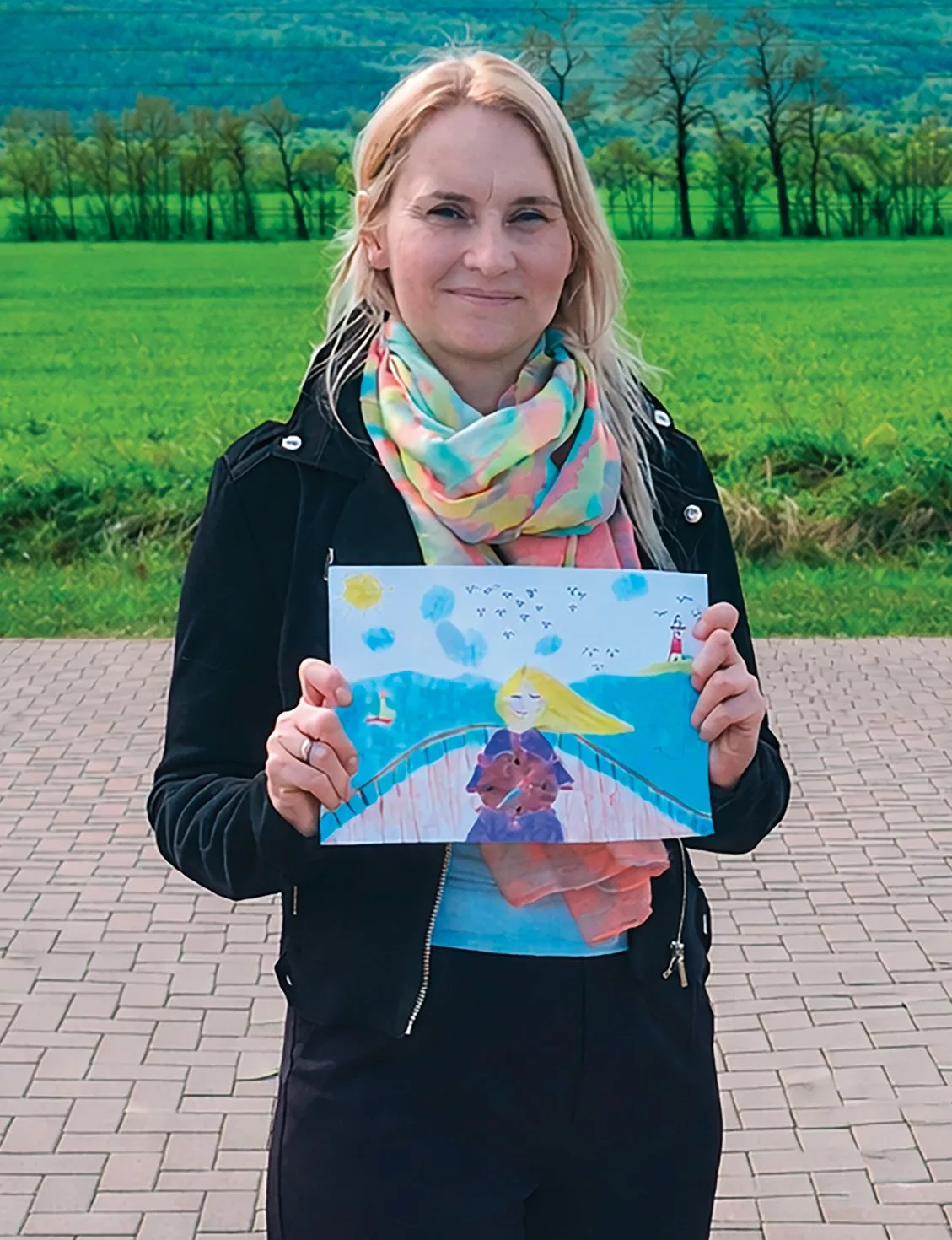
“The ESG report summarizes our achievements, identifies opportunities for improvement, and increases our transparency by presenting our impact on the environment, society, and governance. Looking at my son’s illustration reminds me why it matters: business is not just about generating profit, but about creating long-term value for people, the environment, and future generations.”
Magdalena Kłok
IMS QEHS Expert, SSE Group
Driving transparency, engagement and informed decision-making
As SSE continues to structure its sustainability journey, the ability to measure, understand and communicate impact becomes a key enabler of long-term performance and credibility.
This pillar supports the transition from individual initiatives to a more structured ESG system, combining robust data, transparent reporting, stakeholder engagement and strategic partnerships.
Employees, Board members and senior leadership drive this transformation, while partners bring complementary expertise to accelerate innovation and scale impact.
Communication plays a key role, helping to raise awareness, build understanding and foster conviction across stakeholders, enabling stronger alignment across the organisation and its ecosystem.
Together, these elements lay the foundations for a more data-driven and collaborative approach, enabling more informed decisions and strengthening the integration of ESG into governance, risk management and investment decisions.
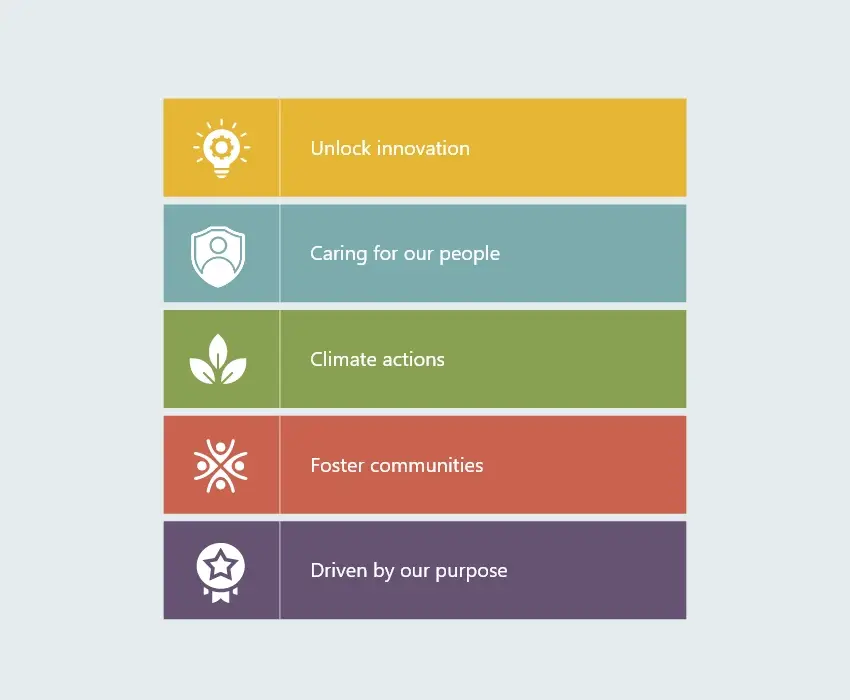
Three drivers to bring our purpose to life
- Inspire positive changes
- Report with transparency
- Driven by our purpose

Structuring ESG through data, people & partnerships
From transparency to decision-making and collective engagement
In 2025, SSE strengthened this pillar by moving from communication-led initiatives to a more structured and integrated ESG system embedded across governance and operations.
Key milestones include the completion of the Double Materiality Assessment, reinforced ESG reporting, and the deployment of digital tools enabling carbon monitoring and scenario-based decision-making.
At the same time, SSE expanded stakeholder engagement, using communication to drive awareness, alignment and cultural transformation across employees, partners and external stakeholders.
The Group also continued to build a partner-enabled ecosystem, combining internal capabilities with external expertise in data digitalisation and low-carbon innovation.
Together, these advances enhance transparency, decision-making and alignment, positioning SSE to scale its sustainability ambitions and embed ESG into its core business and operational performance.

“Bringing our purpose to life means going beyond communication — it requires building the capabilities, partnerships and insights that enable better decision-making across the Group. By strengthening transparency, fostering collaboration and embedding ESG into our governance and daily operations, we are creating the conditions to drive real, measurable impact. This is how RESONANCE becomes not just a framework, but a lever for alignment, engagement and long-term value creation.”
Lucia Mafrici
Marketing & Communication
Manager Valsynthese
Driven by our purpose Pillar Leader
Enabling informed decisions and scalable impact
This pillar acts as the backbone of SSE’s ESG transformation, connecting data, people and partnerships to enable informed decisions and scalable impact.
Closer look: partnering to accelerate low-carbon innovation
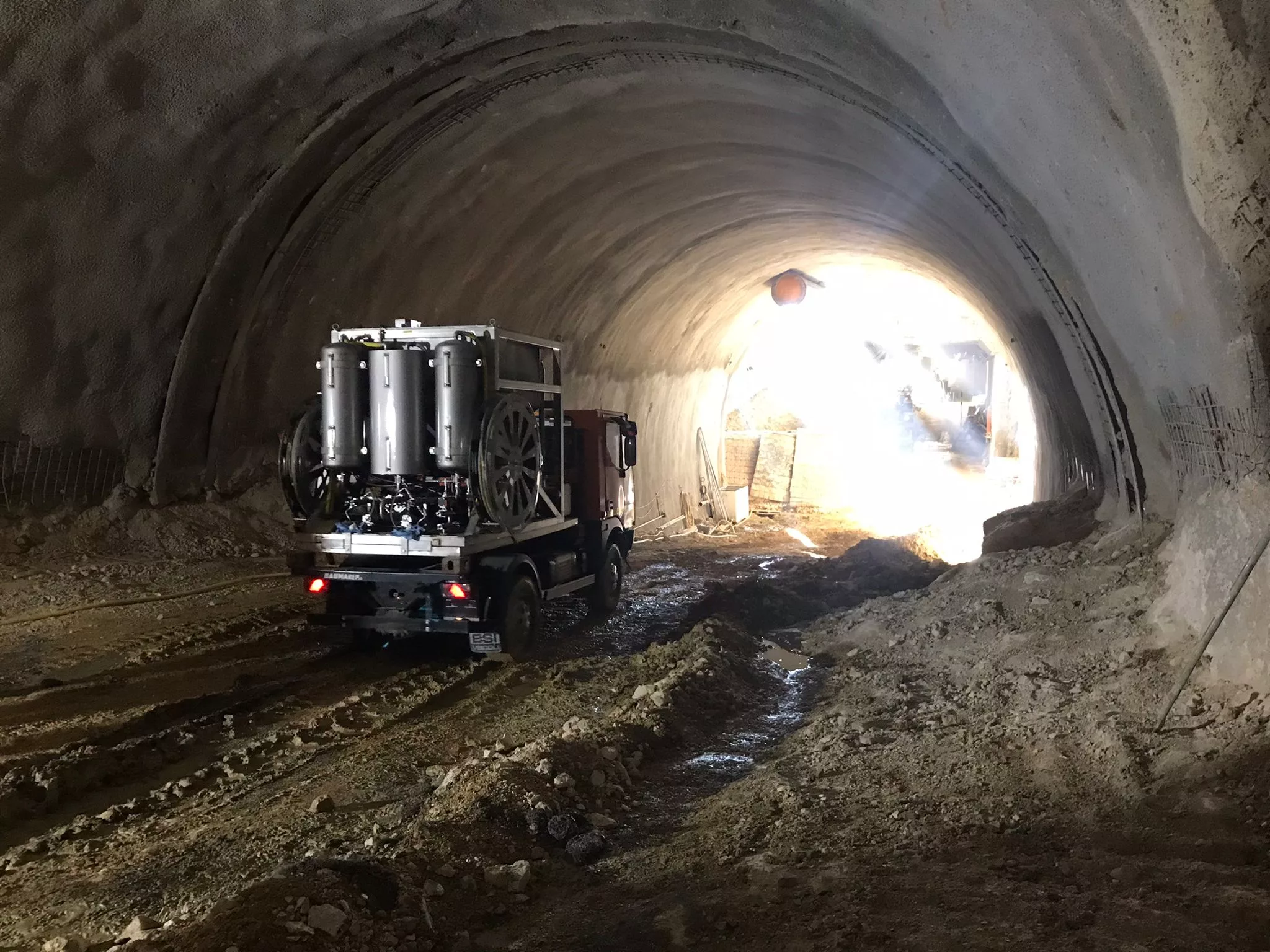
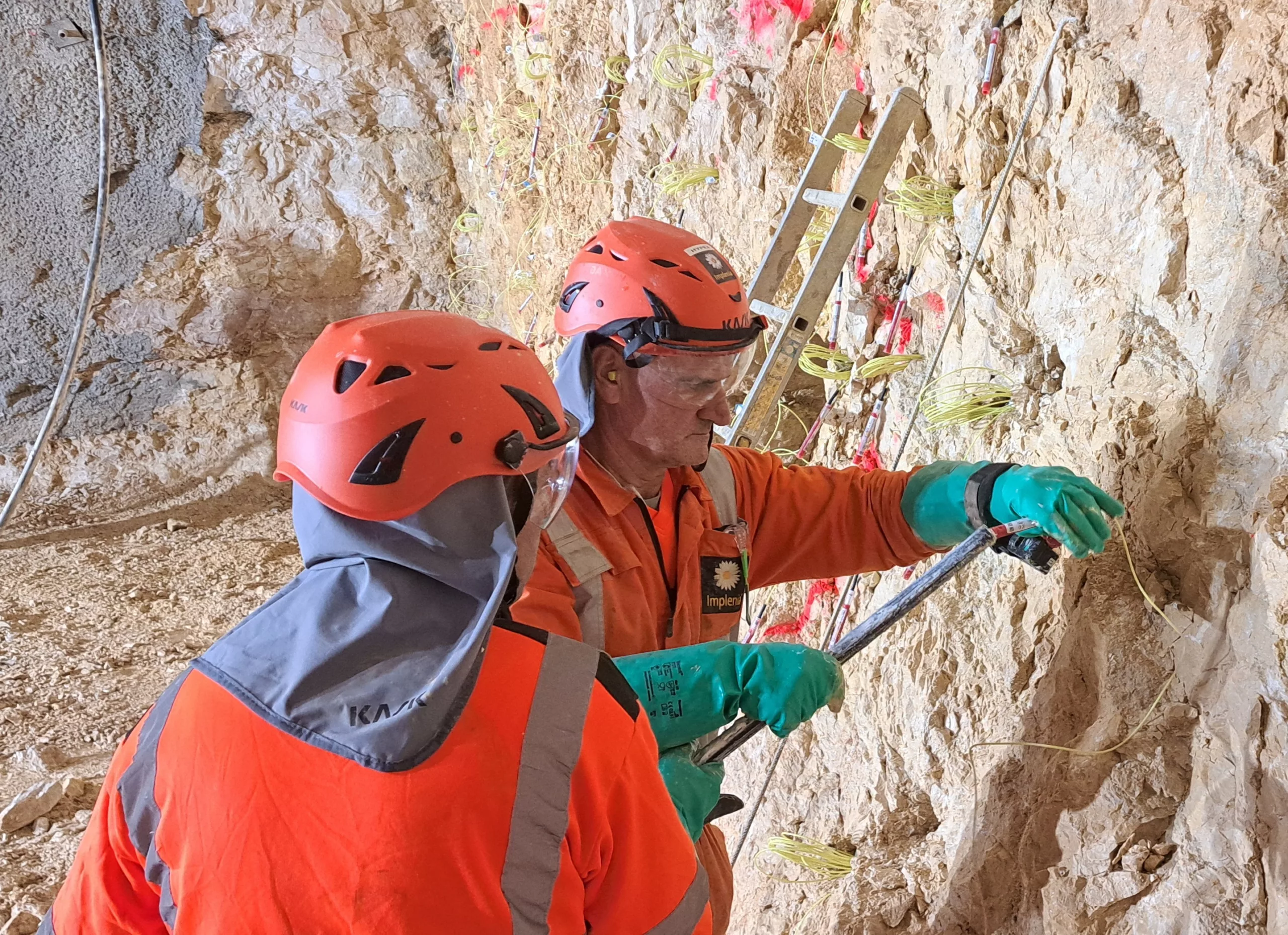
SSE has partnered with Hypex Bio to develop and deploy next-generation sustainable explosives, combining advanced low-impact technology with SSE’s operational expertise.
In January 2025, this collaboration reached a key milestone with the first Hypex Bio blast in Central Europe, carried out at the Ligerz Tunnel in Switzerland with Implenia and SBB — demonstrating the ability to test innovative solutions in real operating conditions.
This partnership illustrates how SSE leverages external expertise and industrial capabilities to accelerate innovation and lay the foundations for scaling more sustainable solutions across its operations.
Driven by our purpose key highlight
Key progress in 2025
Double Materiality Assessment (DMA)
Completed at Group level, integrating internal and external stakeholders to define SSE’s most material ESG priorities and strengthen alignment with risk and strategy.
ESG Reporting & Data Platforms
Significant progress in structuring ESG reposting in line with evolving standards, supported by tools such as Tennaxia. This enable carbon footprint monitoring and scenario-based decarbonisation pathways, supporting forward-looking operational and investment decisions.
Communication & Stakeholder Engagement
Deployment of more structured and consistent ESG communication, including the rollout of the RESONANCE narrative and internal communication toolkit, as well as increased visibility through LinkedIn compaigns and leadership engagement. These efforts strengthen awareness, alignment and ownership across employees, partners and external stakeholders.

Strategic Partnerships & Capability Building
Development of a partner-enabled ecosystem, combining internal capabilities with external expertise in data, digitalisation and low-carbon innovation. Collaborations such as Tennaxia for carbon modelling and partnerships supporting low-carbon product innovation and digital solutions (e.g. Hypex) enable testing, learning and scaling of solutions in real operating and industrial conditions.
Impact across SSE
- Improved visibility on ESG performance and risks, through consolidated data, carbon footprint monitoring and scenario modelling
- Stronger integration of sustainability into decision-making, with ESG priorities embedded into risk management, strategic planning and investment discussions
- Increased alignment across entities and functions, supported by the Double Materiality Assessment and a shared Group ESG framework
- Enhanced employee engagement and ownership, driver by structured communication, internal activations and leadership mobilisation
- Reinforced credibility and transparency, through more structured ESG reporting and clearer communication with external stakeholders
Together, these advences position SSE to accelerate from pilot initiatives toward scalable solutions, enabled by data platforms, cross-entity collaboration and operational testing across the Group.